Samsung’s Galaxy S20 is a powerful 5G phone with the latest camera technology and a super-sharp Quad-HD+ display.
 If you’re looking for a high-end 5G-ready smartphone, one of your primary contenders at the moment should be Samsung’s Galaxy S20 series.
The Galaxy S20 devices have cutting-edge cameras that allow you to take professional-looking photos at a resolution of up to 108 megapixels. You’ll also get a super-sharp Quad HD+ screen using Samsung’s trademark AMOLED technology for a rich and vibrant viewing experience. Samsung’s smartphones also lead the market with their support for 5G, with over half of all 5G smartphones last year being made by Samsung.
In this article, we’ll review and compare the handsets in the Samsung Galaxy S20 family including the Galaxy S20, the Galaxy S20+ and the Galaxy S20 Ultra. We’ll also look at key features of the handsets including the camera, display, network connectivity, design and software.
Continue reading →
Download speeds of 2Mbps are available on Vodafone’s Unlimited Lite plans and on the Reserve Data feature of EE Smart plans.
 In the UK, you’ll get download speeds of up to 2Mbps when you choose a Vodafone Unlimited Lite plan.
In general, you’ll still be able to do most things with a 2Mbps connection, including browsing the web, using social media and messaging applications, listening to music online and watching video in standard-definition quality. You won’t be able to watch HD-quality video and web pages may load a little more slowly compared to on faster connections.
In this article, we’ll look at 2Mbps download speed connections in the UK. We’ll start by looking at the mobile phone plans from Vodafone and EE that give you a download speed of up to 2Mbps. We’ll then look at individual activities and applications, asking whether you’re able to use them on a 2Mbps connection.
Continue reading →
Download speeds of 10Mbps are available on Vodafone Unlimited mobile plans as well as ADSL home broadband connections.
In the UK, 10Mbps is the average speed of a standard home broadband connection (one that’s based on ADSL technology rather than fibre). It’s also the maximum download speed available when using a Vodafone Unlimited price plan in your mobile phone.
In this article, we’ll look at what you’re able to do with a download speed of 10Mbps. We’ll start by looking at 10Mbps price plans, both for your mobile phone and for your home broadband connection. We’ll then look at individual services like video calling, streaming and online gaming, asking what you’ll be able to do on a 10Mbps plan.
Continue reading →
4G mobile broadband deals are available from £10/month, allowing you to access broadband internet through multiple devices on-the-go.
 In the UK, 4G-powered mobile broadband services can be a convenient way to get your devices connected to the internet.
Starting from £10/month, you can get a mobile broadband hotspot that connects to a 4G mobile network in the background. Using a 4G signal, it produces your own personal wi-fi network that other devices can connect to for access to the internet. This allows you to use mobile broadband on a wide range of devices including your laptop, tablet, smartphone or other smart home devices.
At present, 4G mobile broadband deals are available from EE, Three and Vodafone. Each mobile network offers different mobile broadband devices with a range of data plans available from 2GB per month up to fully unlimited data. In this article, we’ll review and compare the best 4G mobile broadband deals in the UK.
Continue reading →
Vodafone offers 5G coverage in 100+ towns and cities, along with 99% population coverage on 4G and 2G.
 In the UK, Vodafone offers four types of mobile network coverage: 5G, 4G, 3G and 2G. Their newest and fastest 5G coverage is available in more than 100 locations, offering average download speeds of 150-200Mbit/s. Elsewhere in the country, Vodafone offers 99% population coverage on 4G with average download speeds of 23-35Mbit/s.
In this article, find out how to check the Vodafone coverage in your area and how to see a Vodafone coverage map for 5G, 4G, 3G and 2G. We’ll discuss the differences between the four types of coverage, what you’re able to do with them and the download speeds available. Finally, we’ll look at the international coverage on Vodafone and how you can use it when travelling abroad.
Continue reading →
Vodafone offers 4G mobile broadband from £11/month, allowing you to get connected to the internet on up to 10 devices.
In the UK, Vodafone offers a 4G mobile broadband service allowing you to get connected to the internet on up to 10 devices at the same time. With 99% 4G population coverage and download speeds of up to 150Mbit/s, the service can be a useful alternative to home broadband especially if you’re struggling with slow internet or poor wi-fi at home. It can also be useful for working from home, using video conferencing or for keeping the kids entertained.
When joining Vodafone’s mobile broadband service, there’s a choice of two devices. Most people now choose the Vodafone R219 mobile wi-fi hotspot as it allows you to connect up to 10 devices to the internet at the same time. The Vodafone K5161 USB data dongle is also available if you want a simpler device that gives you mobile broadband on your laptop. Alternatively, it’s also possible to get a mobile broadband SIM card that gives you access to mobile broadband on Vodafone without a new device.
In this article, we’ll review Vodafone’s mobile broadband service including the devices and price plans available. We’ll also look at the download speeds and coverage available on the service.
Continue reading →
The Huawei 5G CPE Pro router powers 5G home broadband services on EE, Three and Vodafone. You can also buy an unlocked SIM-free router.
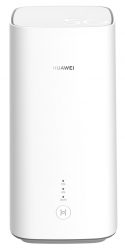 If you’re looking for 5G home broadband in the UK, the chances are you’ll be provided with a Huawei 5G CPE Pro router to use on the service.
At present, the Huawei 5G CPE Pro router is available on EE’s 5GEE Home, on Three’s 5G home broadband service and on Vodafone’s GigaCube 5G. It’s also possible to buy an unlocked 5G CPE Pro from Amazon but it’s worth noting this is a slightly different model with extra bands and slower wi-fi (you’ll get the H112-372 rather than the H112-370 when buying the unlocked device).
In this article, we’ll review the Huawei 5G CPE Pro router, including how you can use it and the price plans available. We’ll also take an in-depth look at individual features of the router including mobile connectivity & 5G download speeds, home network connectivity including wi-fi and the design of the router.
Continue reading →
The upload speed of your home broadband or mobile broadband connection is important for things like video conferencing and cloud storage.
 In the UK, most home broadband and mobile broadband services are asymmetric. This means upload speeds are slower than download speeds, affecting things like video conferencing, cloud storage and online backup services. For this reason, it’s worth choosing a broadband connection with good upload if you want to use these services on a regular basis.
In this article, we’ll take an in-depth look at the topic of upload speeds, seeing how home broadband and mobile broadband services compare on upload. We’ll also look at how this affects your real world day-to-day usage.
Continue reading →
Learn about the different types of home broadband in the UK and compare different broadband internet service providers (ISPs).
 In the UK, there are multiple different technologies used for home broadband including ADSL, fibre, cable, 4G and 5G. There are also numerous different ISPs you can choose from, with a range of different home broadband plans using different underlying technologies.
In this section, we’ll explain the different types of home broadband in the UK, the pros & cons of each broadband technology and where you’re currently able to get it. We’ll also compare different broadband ISPs across each type of home broadband technology.
Continue reading →
You’ll often see terms like superfast and ultrafast broadband when comparing fibre broadband providers.
In the UK, you’ll often see terms like “superfast fibre” and “ultrafast fibre” when comparing home broadband services. These terms are intended to distinguish different categories of home broadband, based on the maximum download speed that’s available on the service.
In this article, we’ll look at the different types of home broadband in the UK. We’ll also look at the definitions of “standard broadband”, “superfast broadband” and “ultrafast broadband” before comparing different broadband technologies in more detail.
Continue reading →